Impact Stories

Impact Stories

Rising with Resilience: How Hannah Built a Sustainable Poultry Business

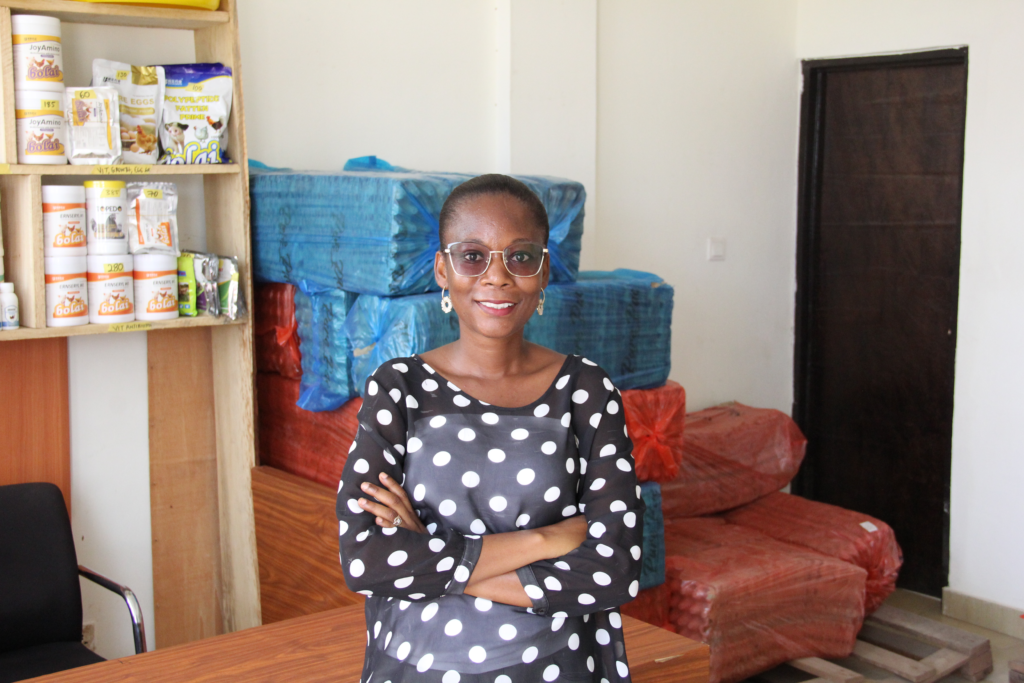
Rising with Resilience: How Hannah Built a Sustainable Poultry Business At 33, Hannah Aidoo from Mankessim in Ghana’s Central Region has long nurtured a dream of building a poultry business that not only sustains her family but also uplifts her community. Despite holding a Master’s Degree in Economics, Hannah pursued her passion for poultry farming. What began as a modest farm has now evolved into a lucrative enterprise. Hannah founded H.A. Farms, a diversified operation that raises poultry, rabbits, snails, vegetables, mushrooms, and catfish. The farm is built on a commitment to eco-friendly practices, using organic ingredients and climate-smart technologies.  These practices include utilising solar energy, implementing weighing and measuring systems to minimise waste, and using manure from production to fertilise food crops. This comprehensive, circular approach supports both human and environmental health, positioning H.A. Farms as a model for sustainable agriculture. Hannah’s entrepreneurial journey was far from smooth. She faced high production costs and operational inefficiencies that threatened her dream. Feed prices soared, electricity costs strained her budget, and water wastage added to mounting expenses.These challenges constrained her capacity to grow and compete in a tough market, placing significant pressure on her as both a businesswoman and a pillar of her community, relying on her success. Her breakthrough came when she learned about the Mastercard Foundation’s BRIDGE-in Agriculture Program via a WhatsApp network.Through the climate-smart agriculture training program with Africa Skills Hub, Hannah gained practical skills for managing resources efficiently. She now weighs the feed and medication and measures the water provided to her birds daily. This approach enables Hannah to supply the correct quantities of resources, reducing waste and cutting expenses while maintaining productivity. “Before the training, I felt overwhelmed by costs and uncertainty about how to improve,” she recalls. “The knowledge and support I received transformed my approach to operating and thinking about my business.” With training and funding from BRIDGE-in Agriculture, Hannah adopted new technologies and practices that significantly reduced her water and electricity costs, allowing her to reinvest in the expansion of her farm.“The farm has expanded from a capacity of 350 layers to 3,000 layers.” These improvements set her poultry business on a sustainable growth trajectory, unlocking opportunities she had only dreamed of, now employing five permanent workers and ten casual workers. “I now use electricity efficiently to lower my carbon footprint. I have installed a lighting control system, including a photocell and an automatic switch that regulates when our lights turn on and off.” Scaling impact beyond the farm Hannah now operates a farming shop selling poultry feed, crates, veterinary drugs, and poultry inputs to other poultry farmers in her community. Her vision extends far beyond her own farm’s success. With the grant received from the BRIDGE-in Agriculture program, she is working toward establishing a poultry feed mill to supply farmers in her region, aiming to strengthen the local agricultural economy and create jobs. By supporting other poultry businesses, Hannah hopes to build a more resilient, interconnected farming community where smallholders can thrive together. “With grant support, I am working to establish a feed mill that serves not only me but also assists other poultry farmers across the Central Region,” she explains. Her story exemplifies how access to tailored training, financial resources, and climate-smart practices can empower smallholder farmers to overcome systemic barriers. Today, Hannah is a successful entrepreneur and a role model to many, inspiring others with her resilience, strategic thinking, and commitment to sustainable farming.While challenges remain, including fluctuating market conditions and expanding operational demands, Hannah faces the future with renewed confidence and a clear mission.  

Impact Stories, News

Africa Skills Hub Foundation honoured as Most Outstanding Community Advocate of Youth Empowerment

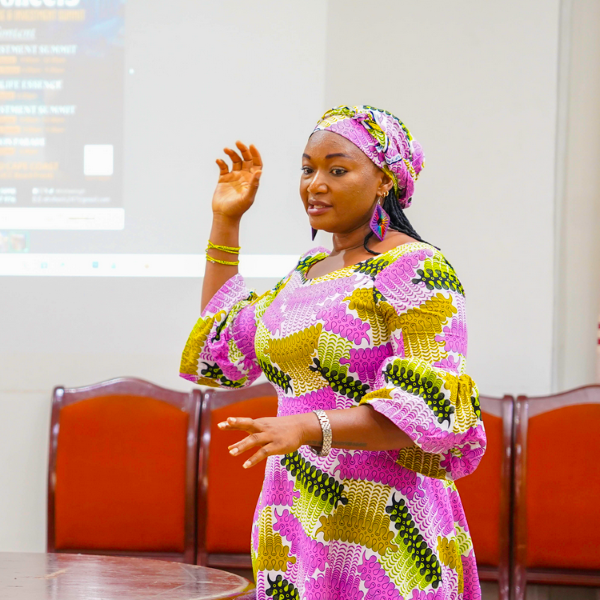
Africa Skills Hub Foundation honoured as Most Outstanding Community Advocate of Youth Empowerment In recognition of its outstanding efforts in youth advocacy, Africa Skills Hub Foundation (ASH) has been adjudged as the Most Outstanding Community Advocate of Youth Empowerment at the Ghana Outstanding Community Leadership Conference and Awards. This honour shines a spotlight on Africa Skills Hub’s transformative work in youth development and economic inclusion across Ghana, from rural farming communities to emerging urban hubs. The organisation’s bold, community-driven model equips young women and people with practical skills, entrepreneurship support, and leadership tools to thrive in today’s economy. “We are honoured to receive the Most Outstanding Community Advocate of Youth Empowerment Award,” said Daniel Amoako Antwi, Executive Director of Africa Skills Hub Foundation. With initiatives spanning over 16 regions, the organisation has trained approximately 16,000 youth and 13,000 women in fields such as agribusiness, digital marketing, climate-smart farming, and innovation-led entrepreneurship, resulting in a reported 60% increase in jobs created and employment among programme participants over the past nine years. Africa Skills Hub’s programmes blend hands-on learning with participants through extensive aftercare services, including regulatory, IT, financial, legal, market access, and intellectual property services. ASH also manages a dedicated micro-credit fund that supports youth and women-led businesses, affirming its commitment to addressing structural barriers through evidence-based solutions.

Impact Stories

Harnessing Social Media to Elevate Alisad Travels

Harnessing Social Media to Elevate Alisad Travels A Journey of Discovery Sadia Yusif, CEO of Alisad Travels and a proud member of the Tour Operators Union of Ghana (TOUGHA), has long been passionate about promoting tourism in Ghana. She frequently used social media to share destinations and hotel deals, believing it would help grow her client base. But the results didn’t always meet her expectations. “As a tour operator, I usually posted destinations and hotel bookings, but I didn’t know there were key strategies to make these posts more effective,” she admitted. Eager to improve her digital strategy, Sadia set out to find a solution. The Turning Point: Discovering the ILO Skill-Up Program In 2024, Sadia came across the ILO Skill-Up program—a capacity-building initiative designed to help entrepreneurs master social media marketing. She saw it as the opportunity she had been waiting for and enrolled, ready to deepen her understanding of content creation and audience engagement. Learning, Growth, and Transformation Sadia joined a three-day intensive training in Cape Coast, Ghana, where she and other participants learned to use their mobile devices to craft compelling content. The training was hands-on and practical—exactly what she needed. “I’ve learned not to make random posts and now understand the importance of using relevant hashtags to reach my target audience,” Sadia reflected. With this new knowledge, she began refining her social media strategy—no longer posting blindly, but with intention and clarity. Impact and the Road Ahead The training didn’t just equip Sadia with new skills—it transformed her approach to digital marketing. With greater confidence and a sharper strategy, she is reimagining how she tells Alisad Travels’ story online. She’s optimistic that this shift will not only attract more clients but also set a new benchmark for social media marketing in Ghana’s tourism sector.

Impact Stories

From Constraints to Expansion: How Jireh Aidoo Ltd Turned Financing into Market Confidence and Growth

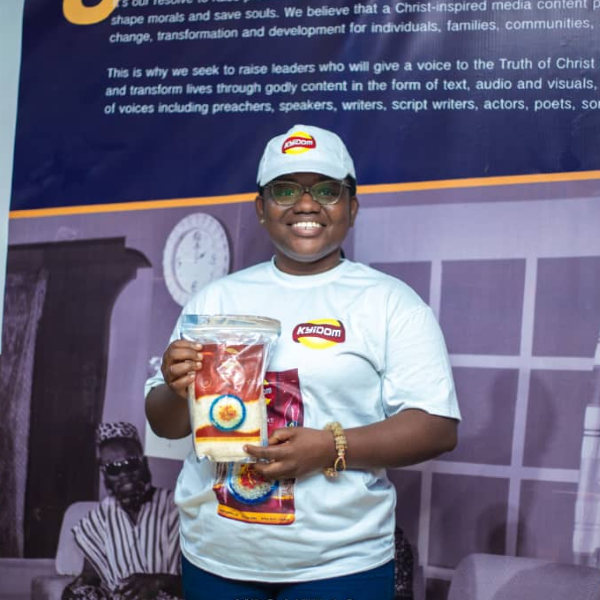
From Constraints to Expansion: How Jireh Aidoo Ltd Turned Financing into Market Confidence and Growth Meet Sarah Aidoo, a 30-year-old Accra entrepreneur and founder of Kyidom Rice. Like many early-stage agripreneurs, Sarah had a vision—but lacked the confidence, skills, and platform to bring it to life. For a long time, she stayed away from business competitions and dealrooms, unsure how to present her ideas or attract funding. A delicate balance between demand, perception, and access to working capital continues to shape Ghana’s agribusiness sector. For Sarah Aidoo, founder of Jireh Aidoo Ltd in Kasoa, that balance once felt consistently out of reach. Her rice processing business had a product that customers valued, but the systems behind it were under strain. “The challenges were really working capital and packaging,” she reflects. “Many customers liked our rice, but concerns about packaging affected purchasing decisions.” Those constraints shaped daily operations. Without sufficient capital, production could not always be aligned with demand. Orders were often difficult to fulfil in advance, and the business risked losing opportunities not because of quality, but because of timing and presentation. “We struggled to supply orders ahead of time because we simply didn’t have the financial room to produce at scale,” she explains That reality began to shift through the Post COVID-19 Skills Development and Productivity Enhancement Project (PSDPEP) intervention, which provided Jireh Aidoo Ltd with access to GHS 100,000 in low-interest microcredit. For Sarah, the financing was not just liquidity; it was leverage. “The support changed how we operate completely,” she says. “It gave us the ability to improve packaging and also finance production ahead of demand.” The changes were quickly visible in the market. Packaging, once a barrier to trust, became a signal of quality. Production capacity expanded, allowing the business to respond proactively rather than reactively. “Before, we were always catching up with demand. Now, we are preparing for it,” Sarah notes. “Today, brokers are actively reaching out for bulk supply.” The financial impact followed closely behind the operational shift. Weekly sales grew from GHS 8,000 to GHS 34,000, marking a significant transition in business scale and consistency. But for Sarah, the numbers only tell part of the story. “What matters most is stability,” she says. “We are no longer worried about whether we can meet orders when they come.” That stability has also translated into employment. The business has created two direct jobs and expanded casual employment opportunities for production activities, extending its influence beyond the enterprise itself into household livelihoods. One of the production staff members describes the change simply: “There is more consistency now. We know work is steady, and that makes a difference for all of us.” With improved operations and stronger market confidence, Jireh Aidoo Ltd is now positioned differently within its value chain. Suppliers are more responsive, customers are more assured, and the business is increasingly seen as a reliable partner in bulk rice production and supply. Looking back, Sarah is clear about what changed the trajectory of her business. “We didn’t need a different product,” she reflects. “We needed the capacity to present it better and produce it at the right time. That is what made the difference.” Today, Jireh Aidoo Ltd stands as a growing agribusiness built not only on production, but on restored confidence—confidence in the product, in the system behind it, and in the market’s response.

Impact Stories

From Setback to Scale-Up: Yvonne Nouriyee’s Journey Through BRIDGE-in Agriculture

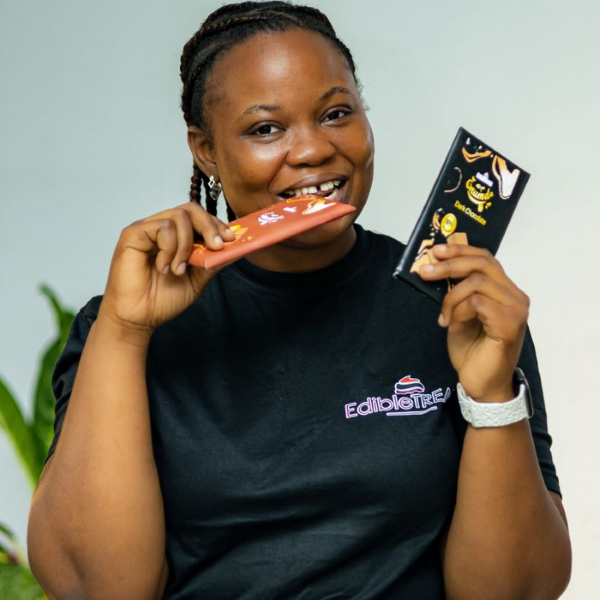
From Setback to Scale-Up: Yvonne Nouriyee’s Journey Through BRIDGE-in Agriculture Yvonne Nouriyee, a 32-year-old entrepreneur from Adenta Frafraha in Ghana’s Greater Accra Region, made a bold shift from development work to running her own business. But the path to entrepreneurship wasn’t smooth. “When I started, I made countless mistakes. I knew very little about budgeting, record-keeping, or managing a business effectively,” Yvonne recalled. Despite receiving many orders, she struggled to make a profit. Without proper financial tracking, she couldn’t account for her expenses or measure growth. She also lacked the confidence and skills to pitch her business and attract support. “There were thriving businesses all around me. I just wanted to understand what they were doing right,” she said. Everything changed when she came across Africa Skills Hub’s LinkedIn post about the BRIDGE-in Agriculture (BIA) financial literacy training. “I was eager to learn and grow—not just for myself, but for my business and my community. The chance for free, quality education felt like the right step,” she shared. The program gave her practical skills in budgeting, business organisation, financial accountability, and pitching. She learned to develop business model canvases and pitch decks that gave her venture structure and purpose. “The facilitators used our businesses as case studies. That made the lessons easy to understand and apply immediately,” she said. Unlike other training she had encountered, BIA was tailored to the realities of entrepreneurs like her. “Most trainings are too general. This one felt made for me. I could apply everything directly to my business,” Yvonne noted. The impact was transformative. For the first time, she saw herself as more than just a business manager—she saw herself as a brand builder and a true entrepreneur. “Before the training, I was shy and not confident about my business. Now, everything has changed. The way I carry myself and represent my brand speaks volumes,” she added. A breakthrough followed when Africa Skills Hub featured her story in a Facebook post. The post gained traction and sparked interest far beyond her immediate community. “I woke up to messages and tags. People from Ghana, Côte d’Ivoire, and other places were reaching out. It was incredible,” she recalled. The exposure gave her business a powerful boost. And when she won a grant through the program, she used it to rebrand her packaging and expand her product line from three to seven chocolate varieties. “Winning that grant gave my business the push it needed,” she said. With the funds, she also hired new staff, including a young woman, to handle her communications and social media, further strengthening her operations and visibility. Today, Yvonne’s business is more than a commercial venture. It’s a platform for empowerment. She now offers internships and one-year residential training for young women, covering accommodation, meals, and skills development. “We support at least one female each year with hands-on training to help her become economically independent,” she explained. Yvonne hopes to acquire a dedicated facility to house her machinery and launch a formal training centre. This next phase will expand her production capacity and deepen her social impact, training and equipping more young people with the skills they need to thrive.

Scroll to Top